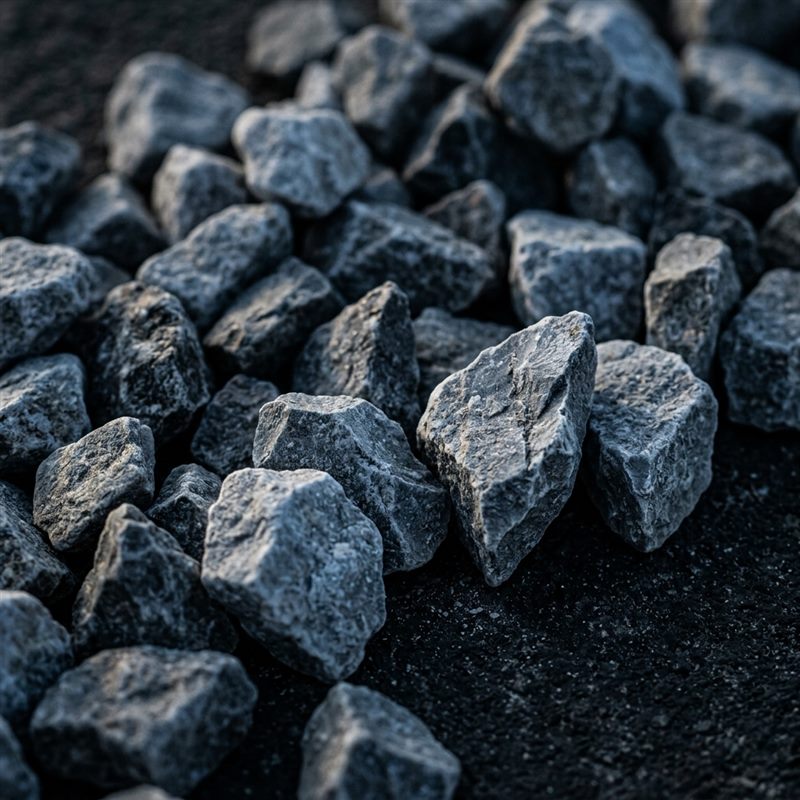
Interactive Gravel Explorer
Click any type to see details & photos
Getting the gravel depth right is the single most important factor that separates a gravel project that lasts a decade from one that fails in a season.
Too shallow: gravel sinks, weeds emerge, mud bleeds through, and you’re adding material again within a year. Too deep: you’re wasting money on material that adds no benefit.
This guide gives you the exact recommended depth for every common gravel application — driveways, patios, walkways, French drains, playgrounds, garden beds, and more — plus the reasoning behind each recommendation so you can make smart decisions on your specific project.
🧮 Once you know your depth, use our Gravel Calculator to find exactly how many tons and cubic yards you need.
The Quick-Reference Depth Chart
🔍 Find Your Recommended Depth
Select your project type:
Why Depth Matters So Much
Gravel depth affects five critical things:
- Weed suppression — Less than 2 inches and light penetrates to the soil, feeding weed seeds. At 3+ inches, most weeds can’t push through.
- Drainage performance — Deeper gravel means more void space for water to flow through, reducing surface pooling.
- Stability under load — Driveways need enough depth to distribute vehicle weight without the gravel sinking into the soil below.
- Longevity — Every inch of depth represents months of additional service life. A 4-inch driveway might last 3 years. A 6-inch one lasts 7–10.
- Frost heave protection — In cold climates, deeper gravel insulates and cushions the freeze-thaw cycle that destroys shallow installations.
Driveway Depth: The Most Critical Application
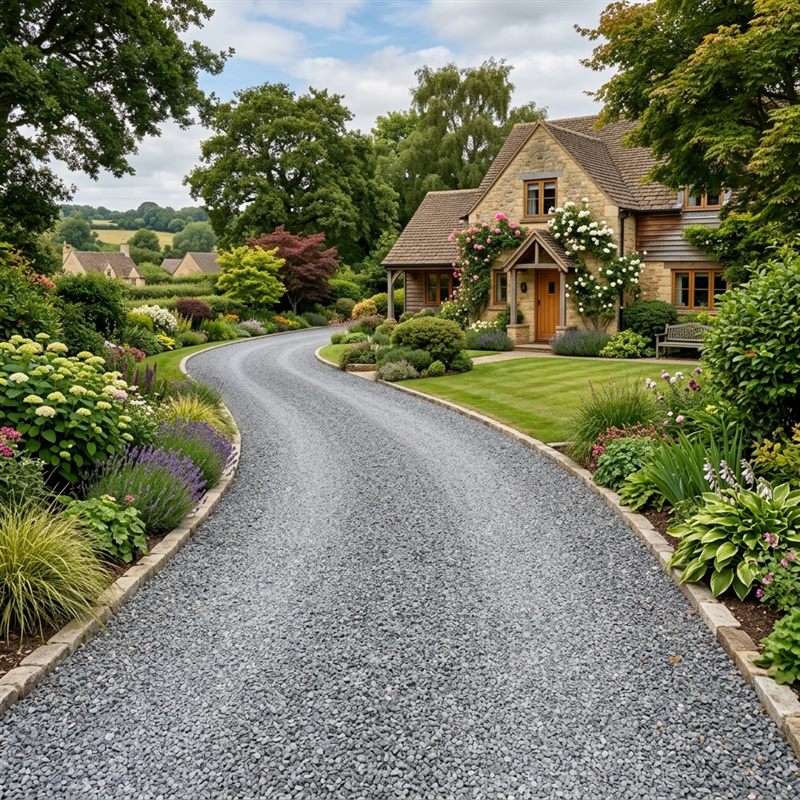
Driveways take the most punishment — the weight of vehicles, repeated turning stress, and constant compaction. Depth is non-negotiable here.
Minimum vs. Recommended Depth
| Situation | Minimum | Recommended |
|---|---|---|
| Light use (1 car, occasional traffic) | 4” | 4–6” |
| Standard residential (1–2 cars daily) | 4” | 6” |
| Heavy residential (trucks, SUVs) | 6” | 6–8” |
| Commercial / heavy equipment | 8” | 10–12” |
| Replenishing existing driveway | 2” | 2–3” |
The 3-Layer System (Best Practice)
For a driveway that lasts 10–15+ years, use three layers totalling 10–12 inches:
| Layer | Material | Depth |
|---|---|---|
| Base | Crusher run / quarry process | 4–6” |
| Mid-layer | #57 crushed stone | 3–4” |
| Top dressing | Crushed stone or limestone | 2” |
Why three layers?
- The base creates a rigid, compacted foundation that doesn’t shift
- The mid-layer provides structural strength and drainage
- The top gives a clean, fresh surface that can be replenished without disturbing the structure below
On firm, well-draining sandy soil: You may get away with a single 4–6 inch layer of #57 stone.
On clay or wet soil: Always use the full 3-layer system with a geotextile fabric underneath.
Patio Depth Recommendations
Standard Patio: 2–4 inches
For a flat, well-compacted patio surface, 2–3 inches of decorative gravel (pea gravel, decomposed granite, or river rock) is ideal. If you’re using the gravel as a sub-base under pavers, that changes the calculation significantly.
| Patio Type | Gravel Depth |
|---|---|
| Decorative loose gravel patio | 2–3” |
| Gravel under flagstones | 2–4” sub-base |
| Gravel under pavers | 4–6” compacted base |
| Gravel under concrete | 4” compacted |
Pro Tips for Patios
- Excavate 4–5 inches total: 1–2 inches below the gravel depth for compaction, plus the gravel layer itself
- Add a 1–2% slope away from structures for water drainage
- Pea gravel at 2–3 inches provides comfortable footing without being too loose
- Larger stones (river rock) need slightly deeper installation — 3–4 inches — for stability
Walkway & Path Depth
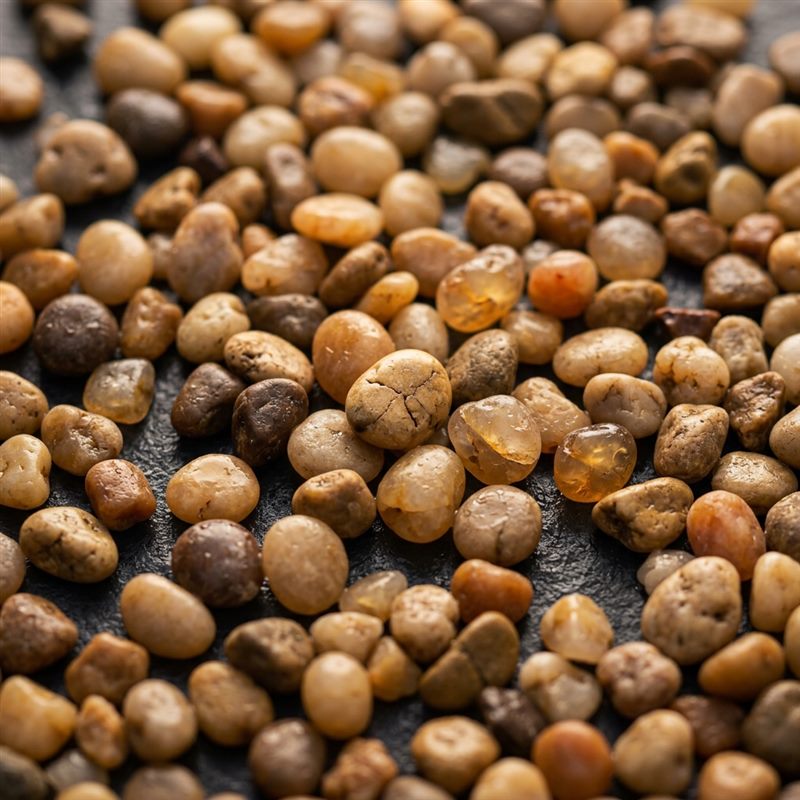
Foot-Traffic Walkways: 2–3 inches
Walkways carry only foot traffic and don’t need the structural depth of driveways. However, going too shallow lets weeds through and causes the path to look patchy within months.
| Path Type | Depth |
|---|---|
| Decorative garden path | 2–3” |
| High-foot-traffic walkway | 3–4” |
| Utility/service path | 3–4” |
| Between stepping stones | 2” |
| Under stepping stones | 4” compacted base |
Key Rule for Walkways
Always excavate 4–6 inches below finished grade:
- 2 inches for a compacted soil or sand base
- 2–3 inches for the gravel surface
Install landscape fabric between layers to prevent gravel from mixing with soil over time. Without it, the path will slowly sink and need constant replenishing.
French Drain & Drainage Gravel Depth
This application is the most technically precise — get it wrong and your drainage system fails entirely.
French Drain: Fill the Trench
The depth of the gravel is dictated by the depth of your trench, not a fixed number. The standard French drain trench is 12–24 inches deep and 6–12 inches wide.
| Trench Depth | Gravel Required |
|---|---|
| 12” deep trench | ~9” of gravel above the pipe |
| 18” deep trench | ~14” of gravel above the pipe |
| 24” deep trench | ~19” of gravel above the pipe |
The French Drain Layers (Bottom to Top)
- Filter fabric lining the trench walls and bottom
- 2–3” of #57 crushed stone below the pipe
- Perforated pipe laid with holes facing down
- Fill trench with #57 stone to within 3–4” of surface
- Top with topsoil or decorative gravel
Always use clean, washed #57 crushed stone for drainage. Stone dust, crusher run, and pea gravel have poor drainage rates and will clog the system over time.
Playground Safety Depth
Playground depth is actually regulated by safety standards — this isn’t a preference, it’s a requirement.
ASTM F1292 Playground Safety Standards
| Fall Height of Equipment | Required Gravel Depth |
|---|---|
| Up to 4 feet | 6 inches |
| Up to 7 feet | 9 inches |
| Up to 10 feet | 12 inches |
These numbers represent the minimum uncompressed depth needed to protect against serious injuries from falls. Pea gravel is the approved playground gravel type — never use crushed stone or river rock under playground equipment.
Critical note: Gravel compresses over time. Install at least 1–2 inches more than the required depth to account for settling and compaction. Test and replenish annually.
Landscape & Garden Bed Depth
For decorative landscaping around trees, shrubs, and flower beds:
| Application | Depth |
|---|---|
| General ground cover | 2–3” |
| Weed suppression mulch replacement | 3–4” |
| Around trees (keep away from trunk) | 2–3” |
| Rock garden ground cover | 2–4” |
| Succulent and cactus beds | 3–4” |
| Xeriscape (desert landscaping) | 3–4” |
Depth vs. Weed Suppression
This chart shows how depth affects weed pressure:
| Depth | Weed Suppression | Notes |
|---|---|---|
| 1” | ❌ Poor | Light penetrates, weeds thrive |
| 2” | ⚠️ Moderate | Most weeds blocked with fabric |
| 3” | ✅ Good | Very effective with landscape fabric |
| 4”+ | ✅ Excellent | Maximum suppression, great longevity |
Always pair gravel with landscape fabric in garden beds. Gravel alone will eventually mix with soil, requiring complete excavation and replacement. Fabric extends the life of your installation by 5–10 years.
Parking Area Depth
Parking areas receive heavy, repetitive loads and need structural depth close to driveways.
| Parking Area Type | Recommended Depth |
|---|---|
| Residential (standard cars) | 4–6” |
| Overflow parking (occasional use) | 4” |
| Busy parking lot (multiple cars) | 6–8” |
| RV / boat storage pad | 6–8” |
| Truck / heavy vehicle parking | 8–10” |
For parking areas larger than a standard driveway, use a compacted crusher run base (4–6”) topped with #57 stone (3–4”). Skip the decorative top layer — it’s not needed for function and adds cost.
How Soil Type Affects Recommended Depth
Your soil type is as important as your project type. Here’s how to adjust:
| Soil Type | Adjustment |
|---|---|
| Sandy, well-draining | Use the minimum recommended depth |
| Loamy, average drainage | Use the middle of the recommended range |
| Clay, poor drainage | Use the maximum + geotextile fabric |
| Expansive/swelling soil | Add 2” extra + geotextile fabric |
| Soft/wet/swampy ground | Start with larger base stones (#3 or #4) before gravel |
The Simple Soil Test
Take a handful of moist soil and squeeze it:
- Falls apart immediately: Sandy — good drainage, use minimum depths
- Holds its shape briefly: Loamy — average, use mid-range depths
- Holds its shape and stays sticky: Clay — poor drainage, use maximum depths + fabric
How Climate Affects Gravel Depth
Cold Climates (Freeze-Thaw Zones)
In areas with cold winters, water in the soil freezes and expands — this is called frost heave. It can push up, crack, and shift poorly-installed gravel installations.
Add 2 extra inches to your planned depth for freeze-thaw protection:
- Driveway: aim for 8–10 inches total
- Patio sub-base: 4–6 inches
- Use angular crushed stone (not rounded) for better interlocking under heave stress
Hot, Dry Climates
Less concern about frost heave, but more concern about soil compaction in heat. Standard depths apply, but:
- Decomposed granite is excellent for hot climates
- Light-colored gravel reflects heat and reduces ground temperature
- Deeper installations (3–4”) retain more moisture around plant roots
Wet/High-Rainfall Climates
More water = more erosion risk. Go deeper:
- Driveways: use maximum depths or 3-layer system
- Add edge drainage channels alongside driveways
- Ensure a minimum 1–2% slope on all gravel surfaces
Depth for Replenishing vs. New Installation
One of the most common questions: my existing gravel has thinned out — how much do I add?
Signs You Need to Replenish
- Gravel depth has dropped below 2 inches
- Bare soil visible in spots
- Muddy areas forming in wet weather
- Ruts and low spots appearing
- Weeds coming through regularly
How Much to Add
For replenishment, you typically don’t need to dig — just add a fresh top layer:
| Current Condition | How Much to Add |
|---|---|
| Slightly thin (2–3” remaining) | Add 1–2” |
| Moderately depleted (1–2” remaining) | Add 2–3” |
| Severely depleted (under 1”) | Add 3–4” and consider regrading |
| Complete do-over needed | Remove old, recompact, start fresh |
How to Measure Gravel Depth Accurately
Before you order or install, measure correctly:
Measuring Existing Depth
Push a metal rod, screwdriver, or ruler straight down through the gravel until it hits firm soil. Mark the depth. Take 5–6 measurements across the area and average them.
Planning New Installation
- Mark your finished grade — where you want the top of the gravel to sit
- Add your desired gravel depth below that mark
- Add 2 inches for subgrade compaction and settling
- That’s your excavation depth
Example: You want a patio at ground level with 3 inches of pea gravel.
- Excavate: 3” gravel + 2” soil compaction buffer = 5 inches below grade
How Depth Affects Your Material Order
Use this table to quickly convert your area and depth to cubic yards and tons:
| Depth | Cubic Yards per 100 sq ft | Tons per 100 sq ft |
|---|---|---|
| 1” | 0.31 | 0.43 |
| 2” | 0.62 | 0.87 |
| 3” | 0.93 | 1.30 |
| 4” | 1.23 | 1.72 |
| 5” | 1.54 | 2.16 |
| 6” | 1.85 | 2.59 |
| 8” | 2.47 | 3.46 |
| 10” | 3.09 | 4.32 |
| 12” | 3.70 | 5.18 |
How to use: Multiply the value by your area in hundreds of square feet.
Example: 500 sq ft area at 4” depth → 1.23 × 5 = 6.15 cubic yards = 8.6 tons
Most Common Depth Mistakes (and How to Avoid Them)
❌ Mistake 1: Going Too Shallow to Save Money
Skimping on depth is the most expensive long-term mistake. A driveway installed at 2 inches when it needs 6 will fail in a year. You’ll spend more money re-doing it than if you’d done it right the first time.
Fix: Always use the recommended minimum depth. The extra material cost upfront pays for itself in years of extended service life.
❌ Mistake 2: Not Accounting for Compaction
Freshly poured gravel will compress 10–20% under traffic and gravity. If you pour 4 inches and expect 4 inches, you’ll end up with 3–3.5 inches.
Fix: Order 10–15% more material than your calculation shows. Compact base layers with a plate compactor before adding the next layer.
❌ Mistake 3: Same Depth for All Soil Types
A 4-inch driveway that works great on sandy soil will fail on clay. Clay traps water, gets soft, and lets the gravel sink in.
Fix: Do the squeeze test (described above) and adjust depth accordingly. Add geotextile fabric on problem soils.
❌ Mistake 4: Forgetting the Excavation Buffer
If you want 4 inches of gravel on a patio, you need to excavate 5–6 inches — the extra for soil compaction and a sand leveling layer.
Fix: Always excavate 1–2 inches deeper than your planned gravel depth.
❌ Mistake 5: Using the Wrong Stone for Deep Layers
Pea gravel and river rock don’t compact. Using them in base layers is a recipe for an unstable surface.
Fix: Use angular crushed stone (crusher run or #57) for any structural or base layer. Reserve rounded stones for decorative top layers only.
Depth Summary: Cheat Sheet
| Project | Minimum | Recommended | Maximum |
|---|---|---|---|
| Driveway (1 layer) | 4” | 6” | 8” |
| Driveway (3 layers total) | 8” | 10–12” | 14” |
| Patio (decorative) | 2” | 3” | 4” |
| Patio sub-base (under pavers) | 4” | 4–6” | 6” |
| Walkway / path | 2” | 2–3” | 4” |
| French drain trench | Fill trench | Fill trench | Fill trench |
| Playground (4 ft fall height) | 6” | 8” | 10” |
| Playground (10 ft fall height) | 12” | 14” | 16” |
| Garden / landscape bed | 2” | 3” | 4” |
| Parking area | 4” | 6” | 8” |
| RV / boat pad | 6” | 8” | 10” |
Frequently Asked Questions
How deep should gravel be for a driveway?
The minimum recommended depth is 4 inches for light residential use. For a standard driveway with regular car traffic, 6 inches is ideal. For the best long-term results, use a 3-layer system totalling 10–12 inches with a compacted crusher run base.
Is 2 inches of gravel enough?
2 inches is enough for decorative applications only — garden beds, path borders, and aesthetic ground cover. It is not sufficient for driveways, parking areas, or any surface that carries vehicle traffic. For walkways with regular foot traffic, 2 inches works but 3 inches is better.
How deep should pea gravel be for a patio?
2–3 inches is the sweet spot for a pea gravel patio. Less than 2 inches looks patchy and lets weeds through. More than 3 inches feels unstable underfoot and is wasteful.
How deep should gravel be for French drains?
Fill the trench completely with clean #57 crushed stone, leaving only 3–4 inches at the top for topsoil cover. The trench depth itself is typically 12–24 inches depending on your drainage needs.
Does deeper gravel mean better weed control?
Yes, up to a point. 3–4 inches with landscape fabric underneath gives excellent weed suppression. Beyond 4 inches, you get diminishing returns on weed control. The landscape fabric matters more than raw depth alone.
How often should I replenish gravel depth?
- Decorative/landscape: Every 3–5 years, add 1–2 inches
- Driveways: Every 2–4 years, add 1–2 inches of top dressing
- Playgrounds: Test annually, replenish whenever depth drops below the safety minimum
Can I add gravel on top of existing gravel?
Yes — this is called top-dressing and it’s the normal maintenance approach. You don’t need to remove old gravel unless it’s completely contaminated with soil or you need to regrade. Simply rake the existing gravel level and add fresh material on top.
Your Next Step
Now that you know the right depth for your project, the next step is calculating how much material you actually need.
Use our Gravel Calculator — just enter your area dimensions and depth, and you’ll get instant results showing cubic yards, tons, and estimated cost. For driveways specifically, our Gravel Driveway Calculator handles multi-layer systems and gives you a full breakdown by layer.
Found this helpful? Share it!
Ready to calculate your gravel?
Use our free calculator to get instant volume, weight & cost estimates.
Try the Free Calculator →