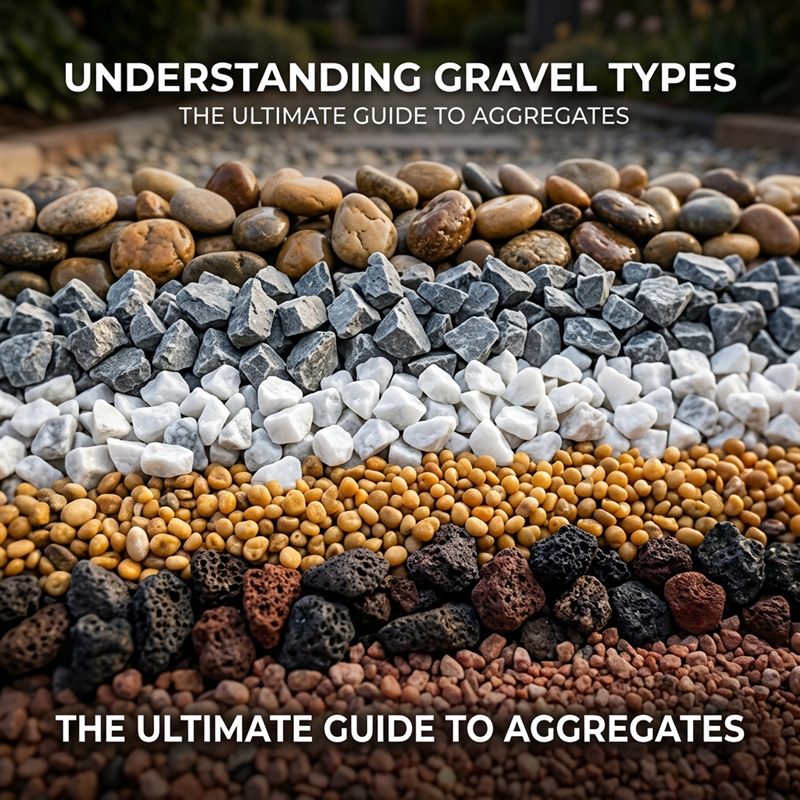
Interactive Gravel Explorer
Click any type to see details & photos
Whether you’re planning a driveway renovation, a landscaping makeover, or a drainage project, understanding gravel is the critical first step. Gravel is one of the most versatile, affordable, and widely used materials in construction and outdoor design — yet most people don’t realize just how many types exist or how to pick the right one for their project.
In this comprehensive guide, we’ll break down what gravel actually is, explore over 15 different types, compare their sizes and costs, and help you choose the perfect gravel for your specific needs.
What Is Gravel?
Gravel is a naturally occurring loose aggregate of rock fragments. It consists of unconsolidated rock pieces that range in size from 2mm to 75mm (about 0.08 to 3 inches) in diameter. Geologically, gravel forms through the natural weathering and erosion of larger rocks over thousands of years.
In the construction and landscaping industries, the term “gravel” is used more broadly to include both naturally rounded stones (from rivers and glaciers) and mechanically crushed rock produced in quarries.
Key Characteristics of Gravel
- Composition: Typically made of limestone, granite, sandstone, basalt, or quartz
- Size Range: 2mm to 75mm in diameter (varies by type)
- Weight: Approximately 1.4 tons per cubic yard (varies by type and moisture)
- Drainage: Excellent — gravel is one of the best permeable materials available
- Cost: Generally $15–$75 per ton, depending on the type and region
Pro Tip: Use our free Gravel Calculator to estimate exactly how much gravel you need for your project — including volume, weight, and cost.
How Is Gravel Classified?
Gravel is classified in several ways depending on the industry and application:
By Origin
- Natural Gravel: Formed by erosion, found in riverbeds, glacial deposits, and beaches
- Crushed Gravel: Produced by mechanically crushing larger rocks in a quarry
By Size (Standard Grading)
| Gravel Size Number | Approximate Size | Common Name |
|---|---|---|
| #1 | 2.5” – 4” | Large riprap |
| #3 | 1.5” – 2” | Medium aggregate |
| #5 | 1” – 1.5” | Road base gravel |
| #8 | 3/8” – 1/2” | Pea-sized gravel |
| #10 | Screenings (dust) | Stone dust |
| #57 | 3/4” – 1” | Most common size |
| #411 | Mix of #4 and fines | Base and fill |
By Shape
- Angular: Sharp, jagged edges (crushed stone) — locks together well
- Rounded: Smooth, polished edges (river rock) — easier to walk on
- Sub-angular: A mix of angular and rounded characteristics
15+ Types of Gravel Explained
1. Pea Gravel
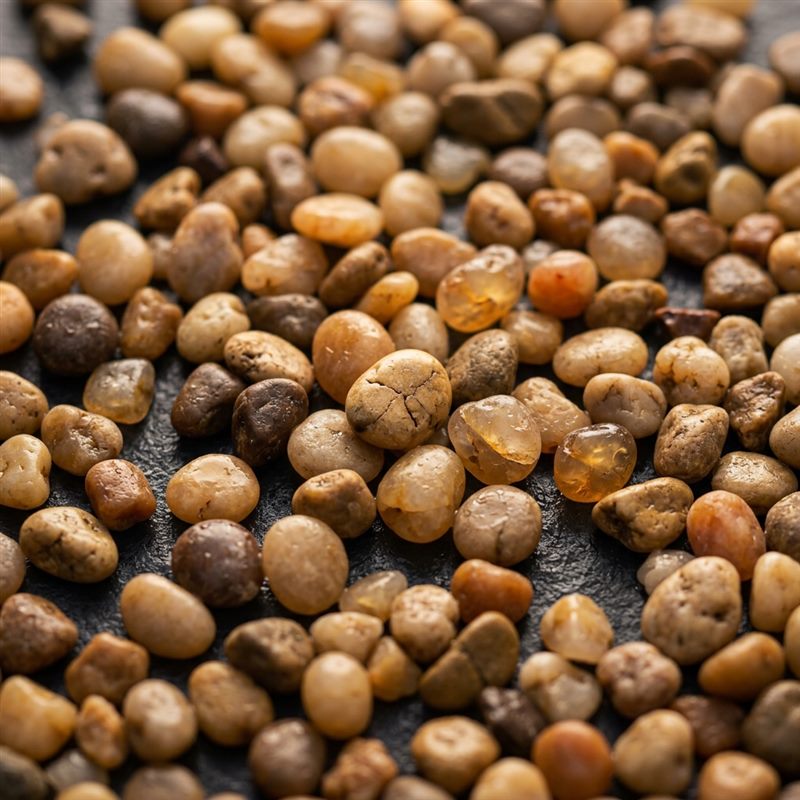
Size: 1/8” to 3/8” (3mm–10mm)
Shape: Naturally rounded and smooth
Colors: Tan, brown, white, mixed earth tones
Cost: $25–$50 per ton
Pea gravel is one of the most popular decorative gravels. Its small, rounded stones are comfortable underfoot and create a clean, polished look. It’s named for its pea-like size.
Best Uses:
- Walkways and garden paths
- Patio ground cover
- Playgrounds (soft landing surface)
- Aquarium substrate
- Around pavers and stepping stones
Drawbacks: Tends to migrate and shift without edging; not ideal for driveways with heavy traffic.
2. Crushed Stone (#57 Stone)
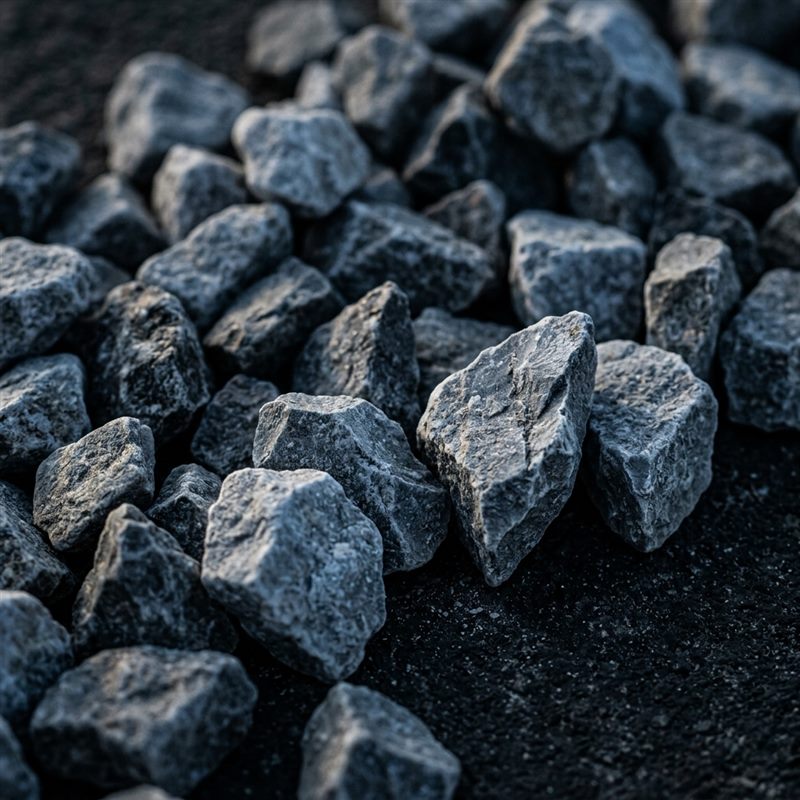
Size: 3/4” to 1”
Shape: Angular with sharp edges
Colors: Gray, blue-gray, white
Cost: $20–$40 per ton
Crushed stone #57 is the most commonly used gravel in North America. Its angular shape allows it to interlock and compact well, making it extremely stable.
Best Uses:
- Driveways and parking areas
- French drain backfill
- Concrete and asphalt mix aggregate
- Road base and sub-base
- Pipe bedding
Why It’s Popular: Excellent drainage + strong compaction = durable surface.
3. River Rock
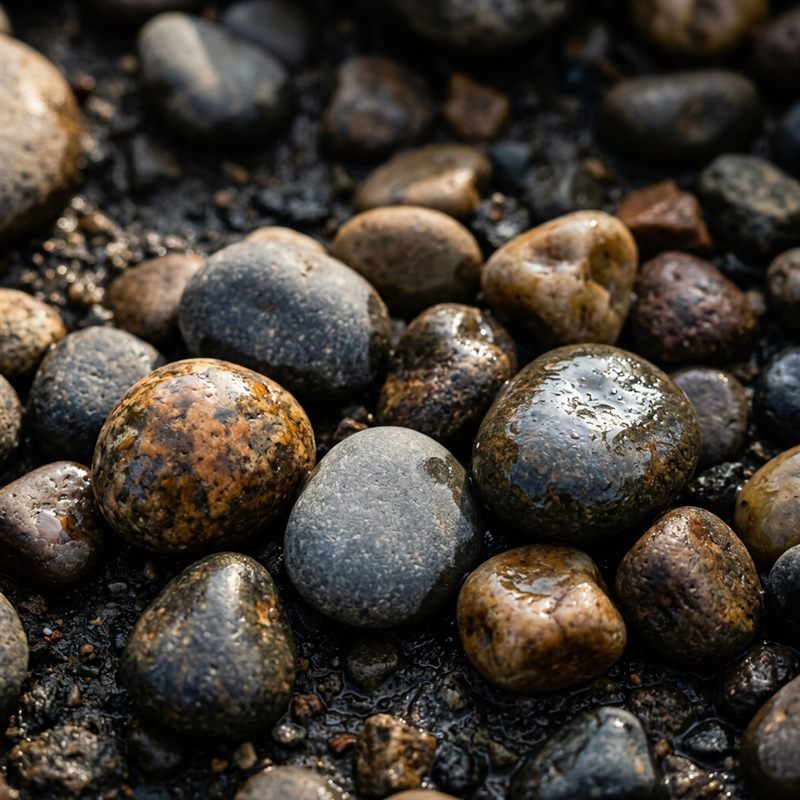
Size: 1” to 3” (or larger)
Shape: Naturally rounded and polished
Colors: Mixed earth tones — gray, brown, tan, rust
Cost: $40–$80 per ton
River rock is harvested from riverbeds and has been naturally smoothed by water over time. It adds a premium, natural aesthetic to any landscape.
Best Uses:
- Decorative landscaping borders
- Dry creek beds
- Water features and ponds
- Erosion control on slopes
- Mulch replacement around trees
Drawbacks: Expensive compared to crushed stone; difficult to walk on in larger sizes.
4. Decomposed Granite (DG)
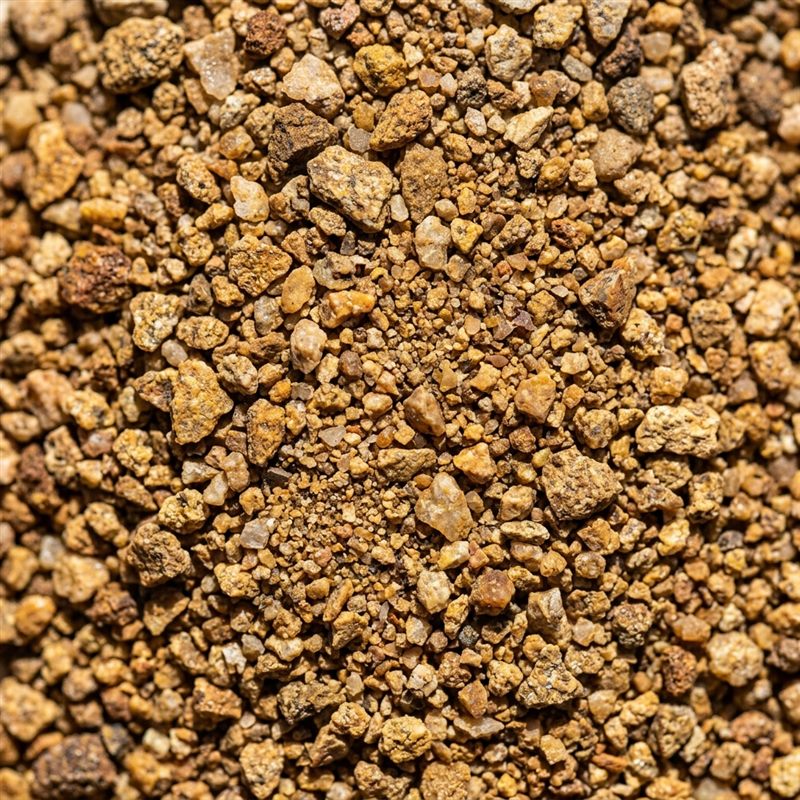
Size: Fine granules, typically 1/4” or smaller
Shape: Gritty, sand-like texture
Colors: Gold, tan, brown, rusty red
Cost: $20–$45 per ton
Decomposed granite is granite rock that has weathered into very fine particles. It creates a firm, natural-looking surface that compacts well.
Best Uses:
- Rustic pathways and trails
- Xeriscape and desert landscaping
- Patio surfaces
- Between flagstones
- Dog runs
5. Quarry Process (QP) / Crusher Run
Size: Dust to 3/4” (mixed fines and aggregate)
Shape: Angular with stone dust included
Colors: Gray
Cost: $15–$30 per ton
Quarry process (also called crusher run) is a blend of crushed stone and stone dust. The fines fill the gaps between larger pieces, creating an extremely compact and stable base.
Best Uses:
- Driveway base layer
- Foundation sub-base
- Road base construction
- Underneath pavers and patios
- Shed and building pads
Why Contractors Love It: Self-compacting and very affordable — the go-to base material.
6. Marble Chips
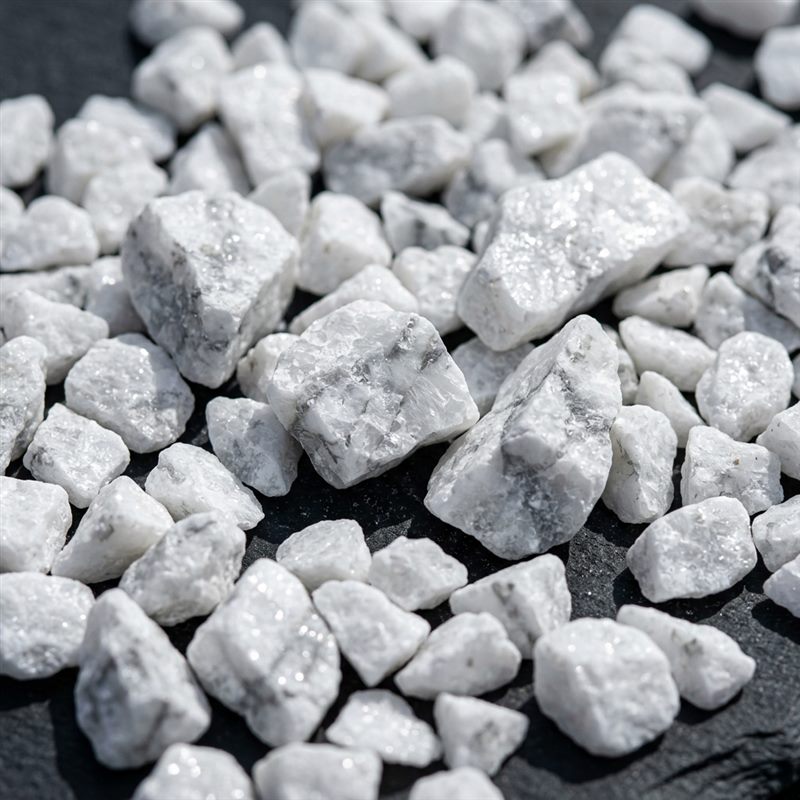
Size: 3/8” to 1”
Shape: Angular to sub-angular
Colors: Bright white, with gray or pink veins
Cost: $60–$120 per ton
Marble chips are a premium decorative gravel made from crushed marble. Their brilliant white color brightens up any landscape design.
Best Uses:
- Elegant garden beds and borders
- Around fountains and water features
- Mediterranean-style landscaping
- Reflective ground cover (cools surfaces)
7. Lava Rock
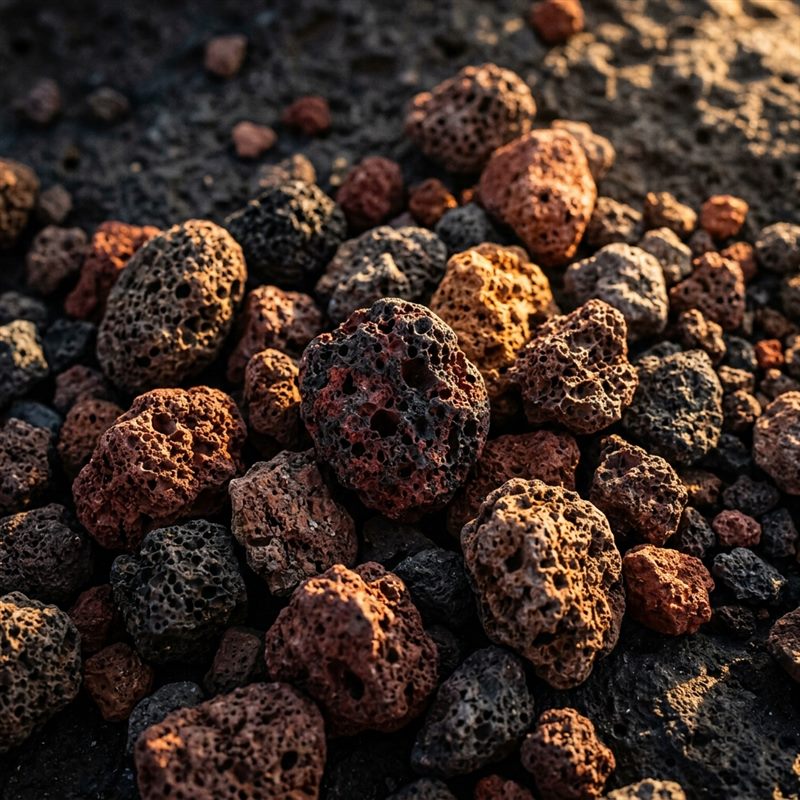
Size: 1/2” to 2”
Shape: Rough, porous, lightweight
Colors: Red, black, brown
Cost: $50–$100 per ton
Lava rock is actual volcanic rock — extremely lightweight and porous. It retains moisture in the soil, making it excellent for garden beds.
Best Uses:
- Fire pits and fire features
- Tropical and modern landscaping
- Mulch alternative (won’t decompose)
- Drainage layers in planters
- Xeriscaping
8. Limestone Gravel
Size: 1/2” to 2.5”
Shape: Angular
Colors: White, gray, tan
Cost: $20–$45 per ton
Limestone is one of the most common and affordable gravels. It compacts well and provides a clean, uniform appearance.
Best Uses:
- Driveways (popular choice)
- Walkways and paths
- Farm roads
- French drains
- Base material
9. Slate Chips
Size: 3/8” to 1.5”
Shape: Flat, layered
Colors: Blue, gray, purple, green, rust
Cost: $50–$90 per ton
Slate chips have a unique flat shape and rich color palette. They create a high-end, contemporary look.
Best Uses:
- Modern landscape design
- Mulch replacement
- Accent areas and garden borders
- Pathway surfaces (flat shape = easier to walk)
10. Jersey Shore Gravel
Size: 3/8” to 3/4”
Shape: Rounded
Colors: Yellow, gold, tan
Cost: $35–$65 per ton
A popular choice in the northeastern United States, Jersey Shore gravel adds warm golden tones to landscaping projects.
Best Uses:
- Decorative ground cover
- Garden pathways
- Pool surrounds
- Driveway borders
11. Granite Gravel
Size: 1/4” to 2”
Shape: Angular to sub-angular
Colors: Pink, gray, salt-and-pepper
Cost: $30–$60 per ton
Granite gravel is extremely durable and resistant to weathering. It’s one of the hardest natural stones available.
Best Uses:
- High-traffic driveways
- Base material for construction
- Railroad ballast
- Heavy-duty landscaping
12. Trap Rock
Size: 1/2” to 1”
Shape: Angular
Colors: Dark gray to black
Cost: $25–$50 per ton
Trap rock is a dark, dense basalt-type stone that’s extremely hard and durable. It’s popular for its modern, dark appearance.
Best Uses:
- Contemporary landscape design
- Driveways and parking areas
- Road construction
- Railroad ballast
13. White Gravel (Quartz)
Size: 3/8” to 1.5”
Shape: Rounded to angular
Colors: Bright white
Cost: $40–$80 per ton
Brilliant white quartz gravel creates a dramatic visual contrast, especially in garden settings and around dark-colored plants or structures.
Best Uses:
- Zen gardens
- Moonlight gardens
- Mediterranean landscaping
- Reflective ground cover
14. Caliche
Size: Dust to 1.5” (mixed)
Shape: Angular, chalky
Colors: White, tan, cream
Cost: $10–$25 per ton
Caliche is a calcium carbonate–rich gravel found primarily in the southwestern United States. It’s one of the most affordable base materials.
Best Uses:
- Inexpensive driveway base
- Road base (rural areas)
- Fill material
- Temporary construction roads
15. Riprap
Size: 3” to 12”+ (large boulders)
Shape: Angular to sub-angular
Colors: Gray, mixed
Cost: $25–$60 per ton
Riprap consists of very large rocks used for erosion control and structural purposes. It’s not technically “gravel” by size definition but is often grouped with gravel products.
Best Uses:
- Shoreline and riverbank stabilization
- Erosion control on steep slopes
- Retaining wall backfill
- Storm drain outfall protection
Gravel Types Comparison Chart
| Type | Size | Shape | Best For | Price Range |
|---|---|---|---|---|
| Pea Gravel | 1/8”–3/8” | Rounded | Paths, patios, decor | $25–$50/ton |
| Crushed Stone #57 | 3/4”–1” | Angular | Driveways, drainage | $20–$40/ton |
| River Rock | 1”–3” | Rounded | Landscaping, decor | $40–$80/ton |
| Decomposed Granite | Fine | Gritty | Paths, xeriscaping | $20–$45/ton |
| Crusher Run | Dust–3/4” | Angular | Base, foundations | $15–$30/ton |
| Marble Chips | 3/8”–1” | Angular | Decorative, premium | $60–$120/ton |
| Lava Rock | 1/2”–2” | Porous | Fire pits, gardens | $50–$100/ton |
| Limestone | 1/2”–2.5” | Angular | Driveways, base | $20–$45/ton |
| Slate Chips | 3/8”–1.5” | Flat | Modern landscaping | $50–$90/ton |
| Riprap | 3”–12”+ | Angular | Erosion control | $25–$60/ton |
How to Choose the Right Gravel for Your Project
Picking the right gravel comes down to four key factors:
1. Purpose
- Driveways: Use angular gravel (crushed stone #57, crusher run, limestone) that compacts and locks together
- Walking paths: Choose rounded, comfortable gravel (pea gravel, decomposed granite)
- Drainage: Opt for clean, washed gravel without fines (#57 stone, river rock)
- Decorative: Select based on color and texture (marble chips, lava rock, slate chips)
2. Size
- Small (under 3/8”): Best for walkways, fillers, and fine surfaces
- Medium (3/8” to 1”): Most versatile — works for driveways, paths, and landscaping
- Large (1” to 3”+): Best for drainage, erosion control, and decorative borders
3. Budget
- Economy: Crusher run, caliche, limestone ($10–$30/ton)
- Mid-Range: Pea gravel, crushed stone, decomposed granite ($25–$50/ton)
- Premium: Marble chips, river rock, lava rock ($50–$120/ton)
4. Climate & Drainage Needs
- Wet climates: Prioritize angular gravel with good drainage
- Dry/hot climates: Decomposed granite and light-colored gravel reflect heat
- Freeze-thaw areas: Avoid soft stones like caliche; use granite or trap rock
How Much Gravel Do You Need?
The amount of gravel depends on three factors:
- Area (length × width in feet)
- Depth (typically 2–4 inches for most projects)
- Gravel density (varies by type, ~1.4 tons per cubic yard on average)
Quick Formula
Cubic Yards = (Length × Width × Depth in feet) ÷ 27
Tons = Cubic Yards × 1.4 (approximate)
For a 10ft × 20ft driveway at 4 inches deep:
- Volume = (10 × 20 × 0.33) ÷ 27 = 2.44 cubic yards
- Weight = 2.44 × 1.4 = 3.42 tons
Skip the math! Use our Gravel Calculator for instant, accurate estimates including material cost.
Gravel vs. Other Materials
| Feature | Gravel | Concrete | Asphalt | Pavers |
|---|---|---|---|---|
| Cost | $1–$3/sq ft | $6–$12/sq ft | $3–$7/sq ft | $8–$25/sq ft |
| Installation | DIY-friendly | Professional | Professional | Moderate |
| Drainage | Excellent | Poor | Poor | Moderate |
| Maintenance | Low–Medium | Low | Medium | Low |
| Lifespan | 5–15 years | 25–50 years | 15–20 years | 25–50 years |
| Repairability | Very easy | Difficult | Moderate | Easy |
Frequently Asked Questions
What is the cheapest type of gravel?
Crusher run (quarry process) and caliche are typically the cheapest options, ranging from $10–$30 per ton. They’re ideal for base layers and rural driveways.
What gravel is best for driveways?
A 3-layer system works best: crusher run base (6”), #57 crushed stone middle layer (4”), and a decorative top layer (2–3”) of your choice. For a single-layer driveway, #57 crushed stone or limestone gravel are the top choices.
Is pea gravel good for driveways?
Pea gravel is not recommended as a primary driveway surface. Its rounded shape prevents it from compacting and locking together, causing it to shift under vehicle tires. It works great for walkways, patios, and decorative areas instead.
How deep should gravel be?
- Walkways: 2–3 inches
- Patios: 2–4 inches
- Driveways: 4–6 inches (or 8–12 inches with base layers)
- French drains: Fill the trench (typically 12–18 inches deep)
Does gravel need a base layer?
For driveways and parking areas, yes — a compacted base of crusher run or quarry process prevents sinking and rutting. For decorative landscaping, a base layer is optional but helps with stability.
How long does a gravel driveway last?
With proper installation and occasional maintenance (raking and topping off), a gravel driveway can last 10–15 years or longer. The base layer can last indefinitely.
Can I install gravel myself?
Absolutely! Gravel is one of the most DIY-friendly materials. The basic steps are: clear the area → install landscape fabric → add edging → spread gravel → rake level. For driveways, you may want to rent a plate compactor.
Final Thoughts
Gravel is an incredibly versatile material with a type for virtually every outdoor project. From the affordable crusher run for base layers to the elegant marble chips for decorative gardens, understanding the different types ensures you pick the right material for your needs — saving you time, money, and headaches.
Ready to start your project? Use our free Gravel Calculator to estimate the exact amount and cost of gravel you’ll need. It takes less than 30 seconds!
Found this helpful? Share it!
Ready to calculate your gravel?
Use our free calculator to get instant volume, weight & cost estimates.
Try the Free Calculator →